Top 10 Places to Visit in Gwalior
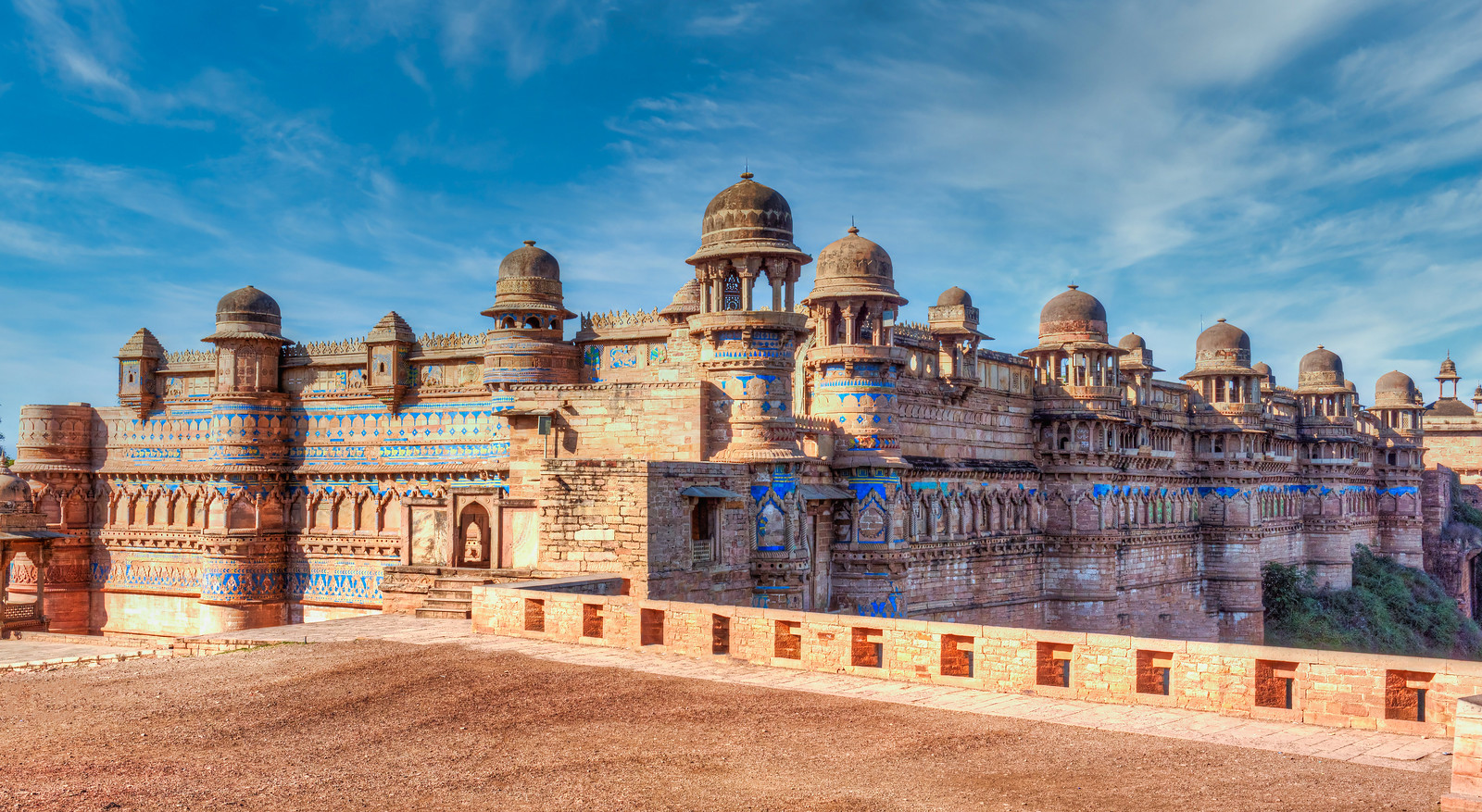
Gwalior Fort
Perched on a sandstone hilltop, Gwalior Fort is one of the largest forts in India and offers panoramic views of the city. Built by Raja Man Singh Tomar in the 15th century, it boasts magnificent palaces, temples, and water tanks. The fort's architecture reflects the influence of various dynasties that ruled the region, including the Tomars, Mughals, and Marathas. Visitors can explore attractions like the Man Singh Palace, Gujari Mahal, and the iconic Saas Bahu Temples.
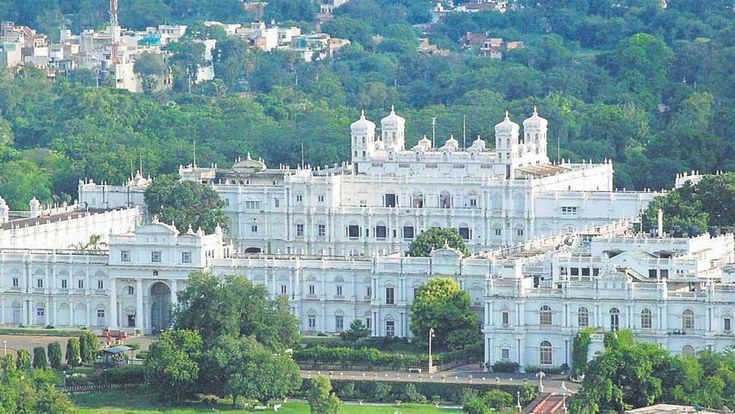
Jai Vilas Palace
Constructed in the late 19th century by Maharaja Jayajirao Scindia, Jai Vilas Palace is a splendid example of European architecture blended with Indian motifs. The palace covers an area of over 75 acres and features lavish interiors adorned with Belgian chandeliers, Italian marble flooring, and Persian carpets. The Scindia Museum housed within the palace exhibits a fascinating collection of artifacts, including weaponry, royal carriages, and rare manuscripts.
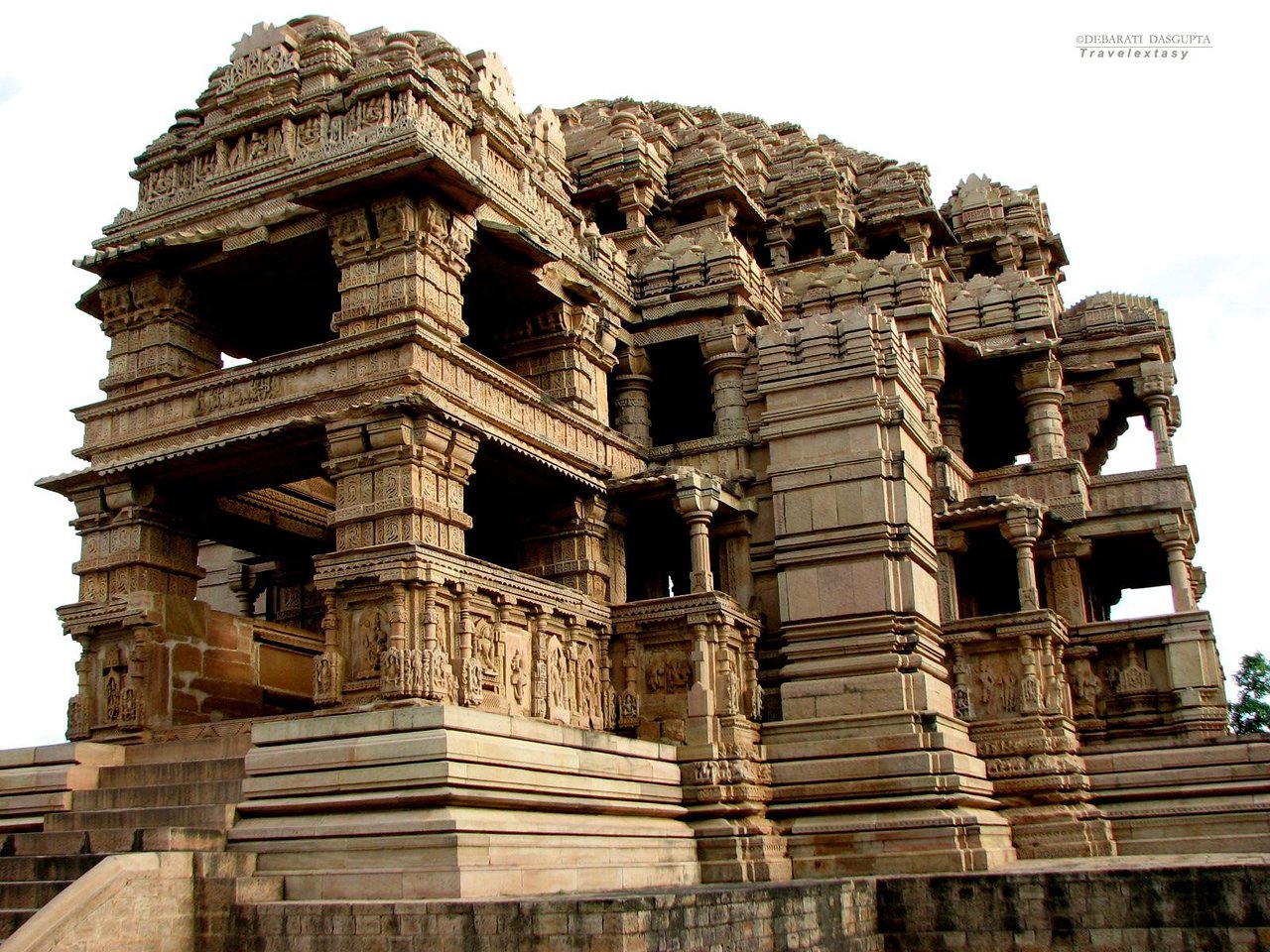
Sahastra Bahu Temples
Also known as the Sahastra Bahu Temples, these ancient Hindu temples are dedicated to Lord Vishnu and are renowned for their intricate carvings and architectural splendor. The larger temple, dedicated to Lord Vishnu, is adorned with intricate sculptures depicting various mythological scenes, while the smaller temple is dedicated to Lord Shiva. The temples date back to the 9th century and are a testament to the architectural brilliance of the era.
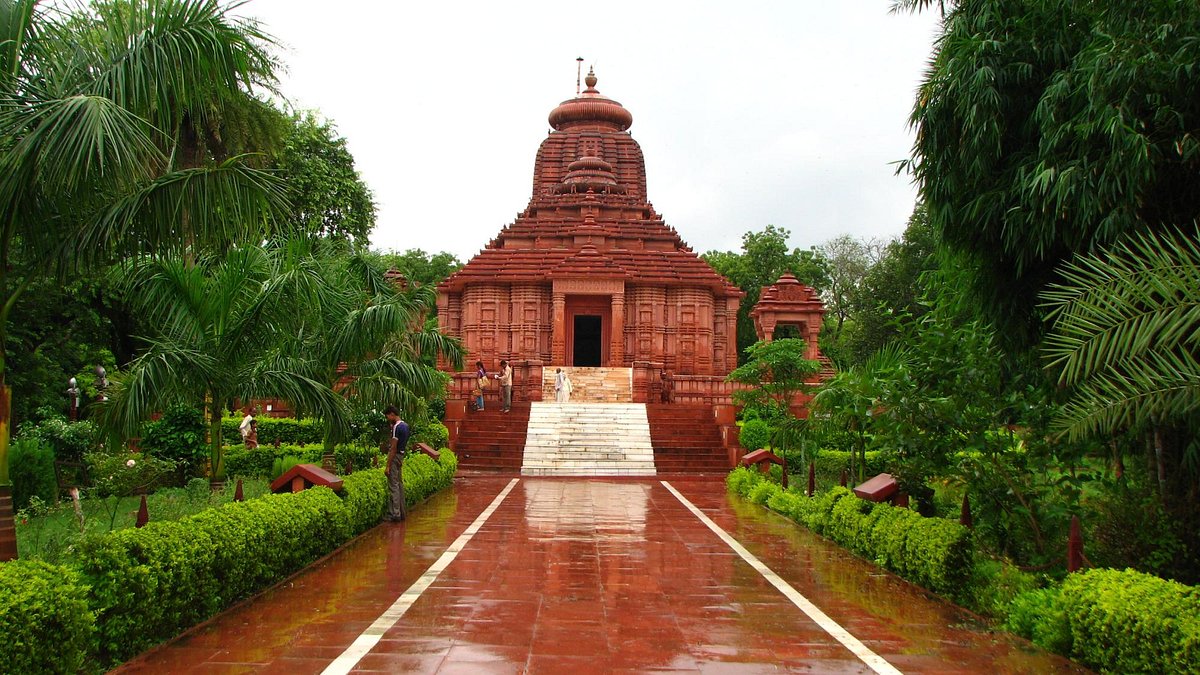
Sun Temple
Modeled after the famous Sun Temple of Konark, Odisha, the Sun Temple in Gwalior is a stunning example of medieval Indian architecture. Built in the 9th century by King Narasimhadeva I of the Gurjara-Pratihara dynasty, the temple is dedicated to the Sun God, Surya. It features a grand entrance adorned with intricate carvings of horses, elephants, and celestial beings, leading to a sanctum housing a colossal image of the Sun God.
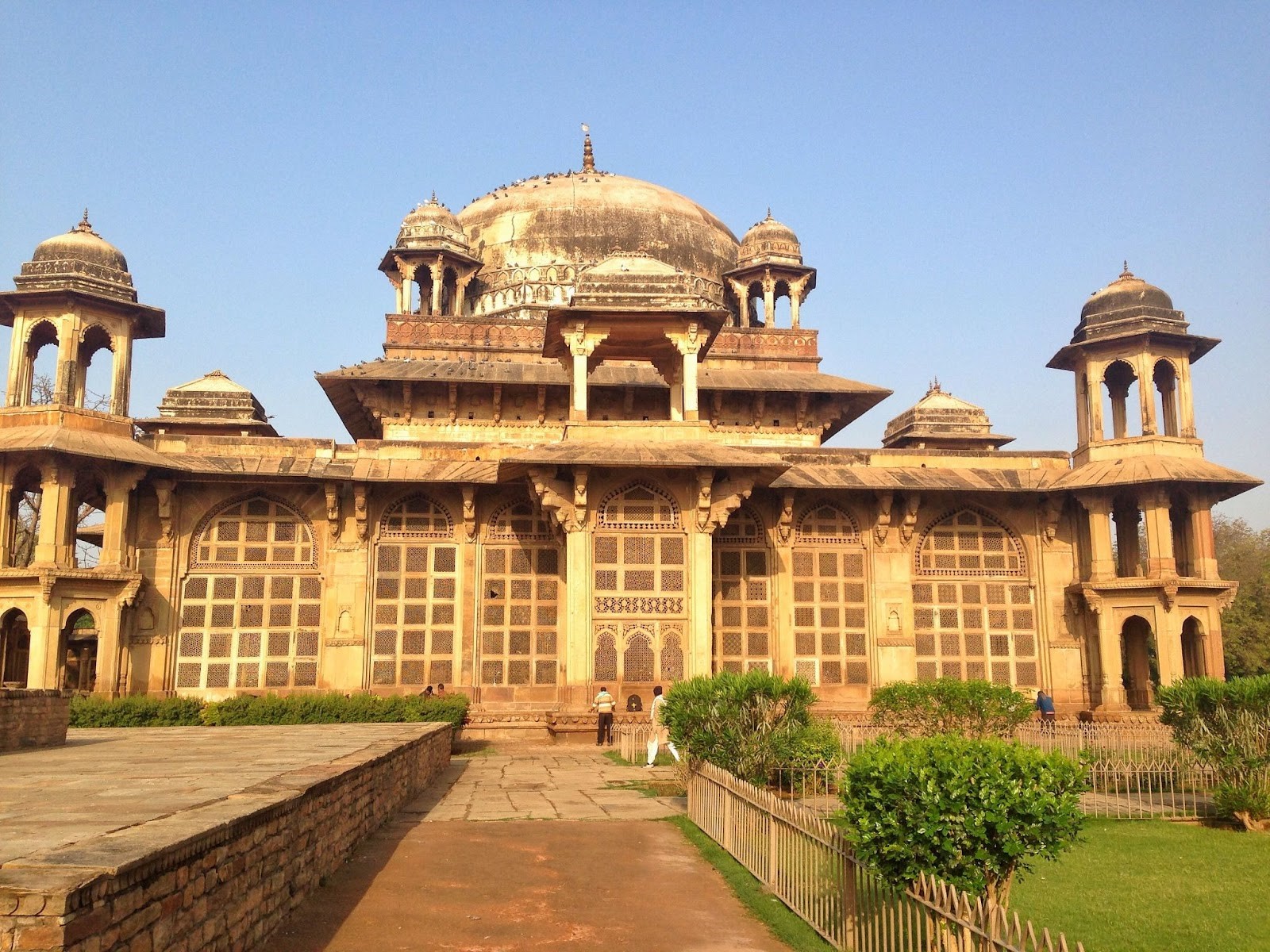
Tansen Tomb
Situated in the vicinity of Gwalior Fort, Tansen Tomb is the mausoleum of the legendary musician Tansen, who was one of the Navaratnas (nine gems) in the court of Emperor Akbar. Built-in Mughal architectural style, the tomb is a serene place surrounded by lush gardens and adorned with intricate marble carvings. It is believed that Tansen's tomb is a place of pilgrimage for music lovers, who pay their respects to the great musician by offering prayers and musical tributes.
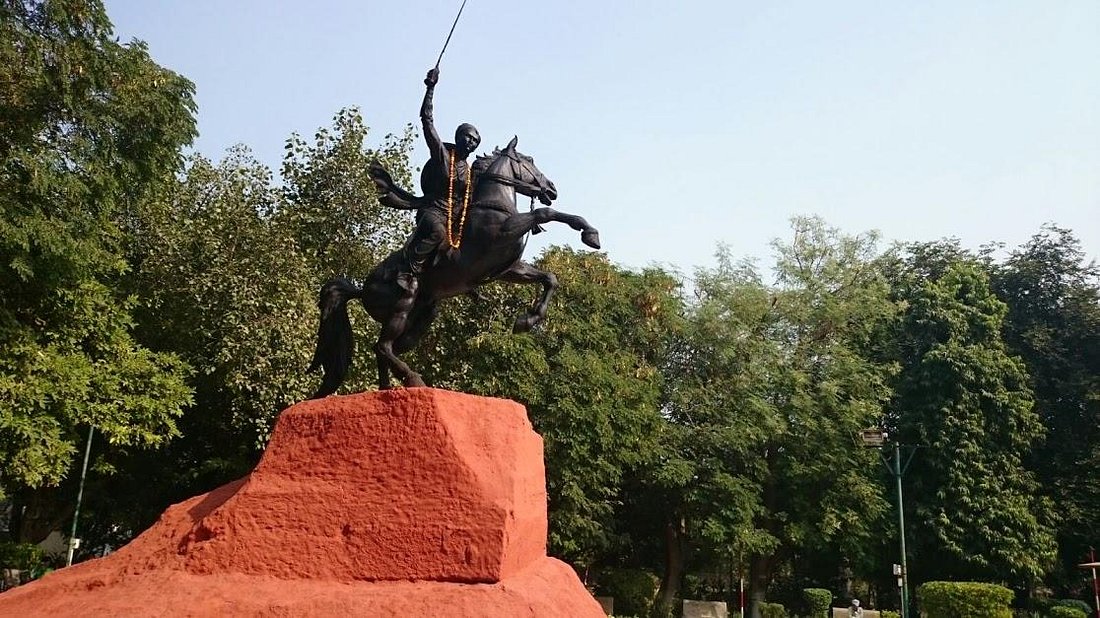
Samadhi of Rani Lakshmibai
The Samadhi of Rani Lakshmibai, nestled in Gwalior, honors the valiant Queen's sacrifice during the 1857 Indian Rebellion. Adorned with intricate carvings, the monument serves as a serene homage to her bravery. Surrounded by verdant gardens, it offers a peaceful place for reflection and tribute. Visitors can pay respects to Rani Lakshmibai, a symbol of courage and resilience in India's history. Her legacy lives on, inspiring generations with her unwavering spirit of freedom.
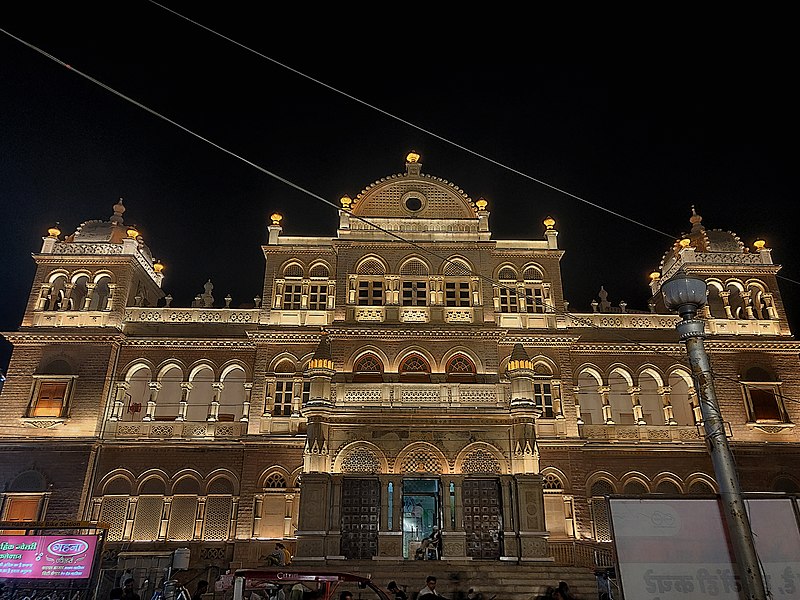
Maharaj Bada
Maharaj Bada, nestled in Gwalior's heart, is a bustling marketplace brimming with local culture. Visitors can explore vibrant shops offering traditional handicrafts and textiles. The market's lively atmosphere is complemented by street food stalls serving delicious chaats and snacks. Maharaj Bada also hosts cultural performances, adding to its charm. It's a must-visit for a taste of Gwalior's vibrant life and flavors.
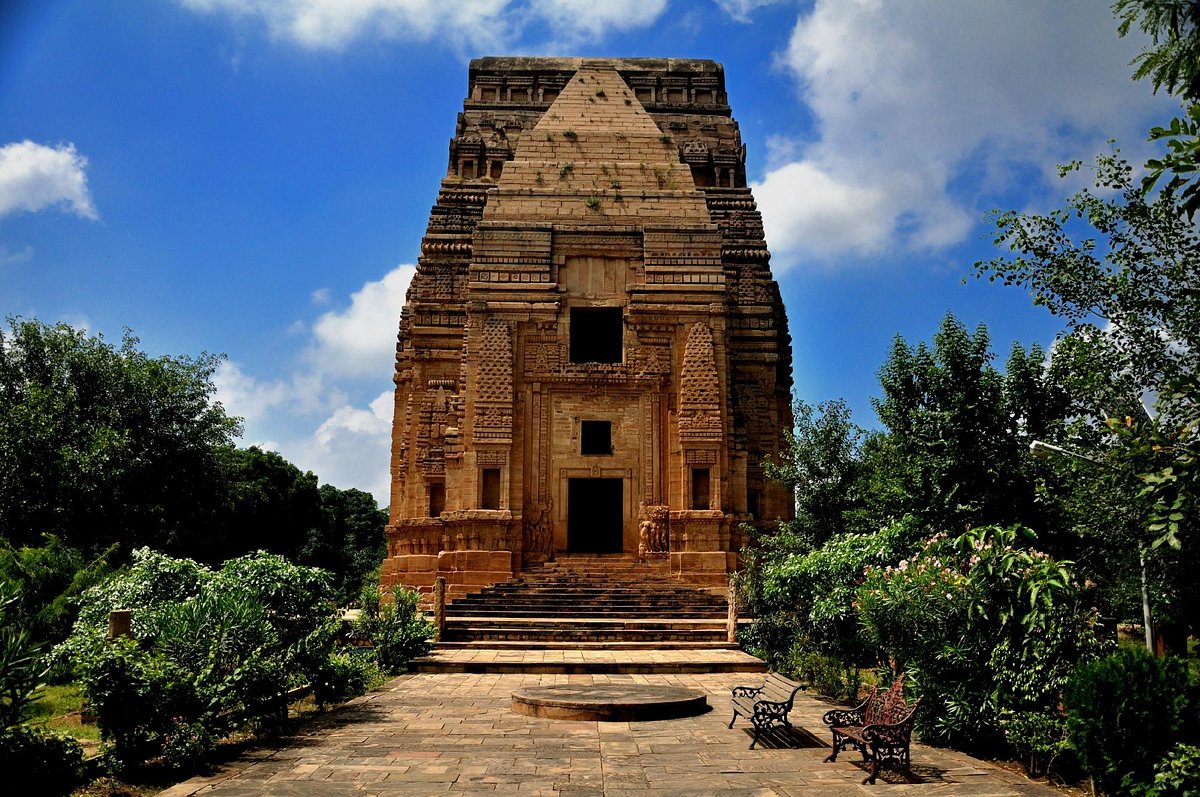
Teli Ka Mandir
Teli Ka Mandir, situated within the majestic Gwalior Fort complex, is a captivating architectural marvel. This unique temple is renowned for its towering shikhara (spire) and intricate carvings. Dedicated to Lord Vishnu, it showcases a blend of North Indian Nagara and South Indian Dravidian architectural styles. Visitors can admire the temple's grandeur and explore its rich history within the fortified walls of Gwalior Fort. Teli Ka Mandir stands as a testament to the cultural diversity and architectural brilliance of ancient India.
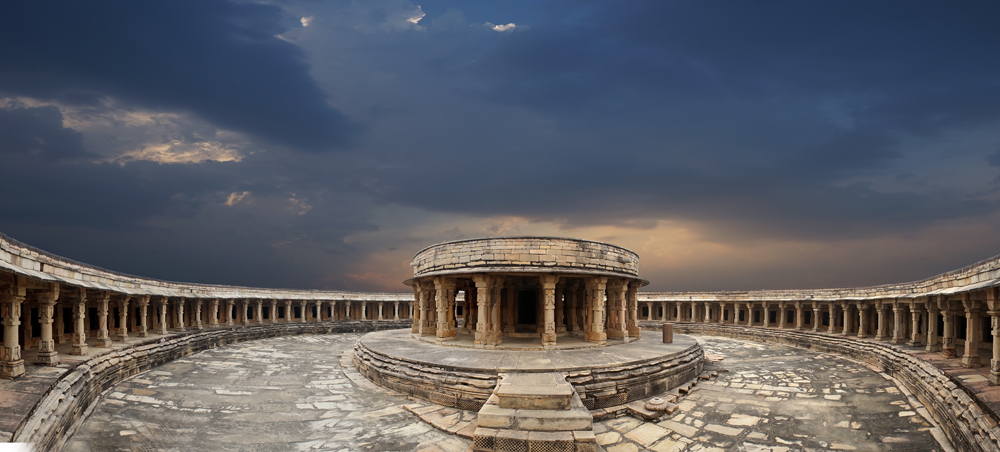
Mitawali
Nestled amidst the rustic beauty of Gwalior's countryside, Mitawali is a hidden gem steeped in history and tranquility. The main attraction of this quaint village is the ancient Chausath Yogini Temple, dating back to the 8th century. Perched atop a hill, this circular temple is dedicated to the goddess Kali and features 64 intricately carved yogini sculptures. Visitors can marvel at the architectural brilliance of this lesser-known gem and soak in the serene ambience of rural India. Mitawali offers a refreshing escape from the hustle and bustle of city life, making it a perfect destination for history enthusiasts and nature lovers alike.
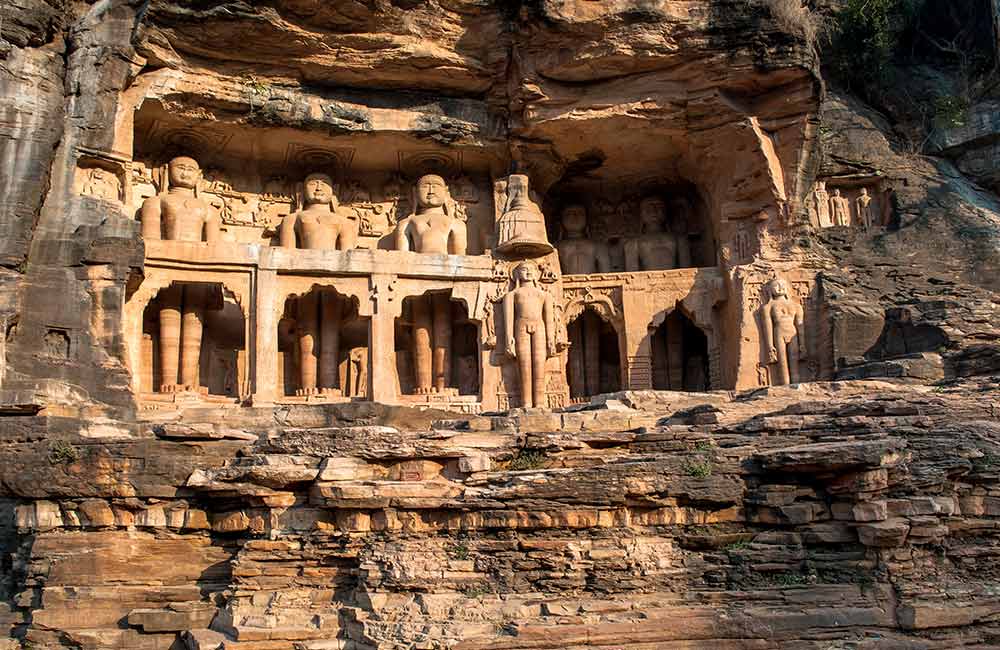
Gopachal-Parvat
Gopachal Parvat, nestled on the outskirts of Gwalior, is a haven for spiritual seekers and architecture enthusiasts alike. This rocky hillside is adorned with a cluster of Jain temples, dating back to the 8th and 9th centuries. Carved out of the natural rock formations, these temples showcase exquisite Jain architecture and intricate sculptures depicting Tirthankaras and celestial beings. Visitors can embark on a serene pilgrimage up the hill, exploring the ancient shrines and soaking in the panoramic views of the surrounding landscape. Gopachal Parvat offers a tranquil retreat, inviting visitors to delve into the rich spiritual and cultural heritage of Jainism amidst nature's serene embrace.